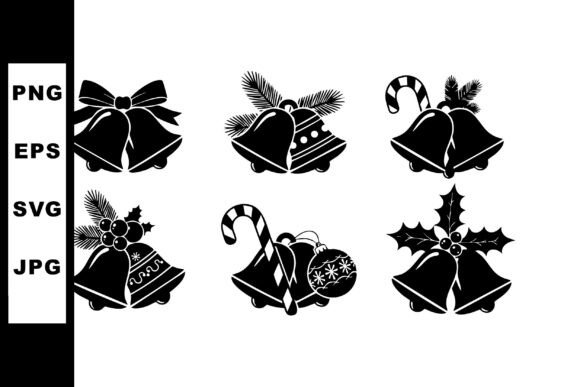
Christmas Bells with Holly Leaves Candy Review
As a designer who spends more time than I care to admit staring at stitch lines and testing thread tension, I approach every new machine embroidery design with a healthy dose of skepticism. We are constantly bombarded with thousands of digital files, but few actually translate into high-quality finished product pieces that hold up in the real world. Today, I am putting Christmas Bells with Holly Leaves Candy through its paces. This isn't just about whether it looks pretty on a screen; it is about how it behaves under the needle, how it holds up after washing, and whether it adds genuine value to your craft business or personal projects.
First Impressions and Visual Personality
When you first load this file, the immediate takeaway is its festive warmth. The title suggests a playful yet classic aesthetic, combining the traditional symbolism of bells with the organic texture of holly leaves. In terms of illustrations, this piece leans heavily into holiday cheer without feeling cluttered. The visual personality is balanced—it is cheerful enough for children’s items but sophisticated enough for boutique home decor.
The layout feels intentional. The arrangement of the bells and foliage creates a natural focal point, which is crucial when designing for apparel or accessories. It does not scream for attention in a chaotic way; instead, it invites the viewer in. For an Etsy seller or anyone creating personalized gift items, this kind of balanced composition is gold. It allows room for monograms or names without competing for visual dominance, making it a versatile choice for custom apparel like sweatshirts or tote bags.
Real-World Application: From Screen to Stitch
I decided to test Christmas Bells with Holly Leaves Candy in a scenario that mirrors what many of my clients request: a custom embroidered tote bag for a holiday market. The goal was to create a handmade product that felt premium and durable. Here is how the design performed during the actual stitching process.
The satin stitch work on the bell outlines was crisp, providing a clean edge that defined the shape beautifully against the canvas fabric. However, the real test lay in the fill stitch areas within the leaves. On a standard cotton canvas, the density held up well, offering a rich texture that mimics the look of real foliage. If you are planning to use this for embroidered patch applications or kitchen towel designs, pay close attention to how the fill stitches interact with the base fabric. On lighter, thinner materials, you might see some puckering if the stabilizer support is not adequate.
I also experimented with placing this design on a dark-colored sweatshirt. The contrast was striking, especially when using metallic threads for the bells. This demonstrates why checking thread colors early in the workflow is so important. A simple color swap can transform this from a subtle accent into a bold statement piece. For holiday embroidery collections, having a design that adapts well to different color palettes increases its resale potential significantly.
Where Caution Is Required
No design is perfect for every surface, and being honest about limitations is part of responsible design review. There are specific scenarios where Christmas Bells with Holly Leaves Candy requires careful handling.
- Small Hoop Sizes: While the design is compact, attempting to stitch it in a hoop smaller than 4x4 inches may result in lost detail. The tiny curves of the holly berries and the inner details of the bells can become muddy if the resolution is too low.
- Textured Fabrics: Avoid using this on highly textured fabrics like chunky knits or bouclé. The needle penetration required for the running stitch and satin edges will be inconsistent, leading to skipped stitches or uneven tension.
- Stretchy Fabrics: If you are working on baby clothes made from jersey or stretchy blends, you must use a strong tear-away or cut-away stabilizer. Without proper support, the weight of the stitch density can cause the garment to distort over time.
- Curved Surfaces: Applying this to caps or hats requires a curved hoop attachment. Ensure your machine settings account for the curvature to prevent the design from appearing stretched or compressed.
Additionally, if you are producing items that will undergo frequent washing, such as aprons or tea towels, inspect the design for any loose thread ends. High-density areas can trap lint or fray if not trimmed properly. Always advise your customers to wash these items inside out on a gentle cycle to preserve the integrity of the embroidery project.
Impact on Product Value and Branding
From a business perspective, the quality of your embroidery directly influences customer trust. A poorly executed design can make even the best-made garment look cheap. Conversely, a well-stitched design asset elevates the perceived value of your small shop product.
Christmas Bells with Holly Leaves Candy strikes a balance between intricate detail and readability. This clarity is essential for brand consistency. When buyers receive a printable mockup or see the physical item, they need to instantly recognize the theme. The festive nature of the bells and holly makes it highly recognizable, which aids in marketing and social media engagement. It fits naturally into seasonal campaigns, allowing you to update your inventory quickly without needing entirely new design concepts.
For commercial embroidery services, this design is particularly useful for personalized gifts. Imagine a nursery wall hanging or a baby blanket. The softness of the holly leaves combined with the jingle-bell motif evokes nostalgia and warmth. These emotional connections drive sales. Buyers are not just purchasing an object; they are purchasing a memory or a tradition. Your role as the decorator is to ensure that the technical execution supports that emotional promise.
Practical Designer Notes for Success
Before you commit to a large production run or upload this to your online store, follow these practical steps to ensure success:
- Test on Scrap Fabric: Never assume a design will behave perfectly on your final material. Always run a test stitch on a scrap piece of the exact fabric you plan to use.
- Check Black and White Mockups: Convert your digital preview to grayscale. This helps you evaluate the contrast and balance of the design without being distracted by color. If the shapes merge together in black and white, they will likely get lost in color.
- Review Stitch Density: Zoom in on the digital file. Are there areas where the stitch lines overlap excessively? Excessive density can lead to needle breakage and thick, uncomfortable bumps on the finished fabric.
- Confirm Licensing: If you intend to sell finished items created with this digital embroidery file, verify the license terms. Some designers restrict commercial use or require attribution. Clear licensing protects your craft business from legal issues.
- Inspect Small Details: Look closely at the smallest elements, such as the highlights on the bells or the veins in the leaves. Ensure they are distinct and will not disappear during the stitching process.
Final Verdict
Christmas Bells with Holly Leaves Candy is a solid, reliable addition to any embroidery library. It offers a timeless aesthetic that appeals to a broad audience, from hobbyists making gifts for family to professional decorators creating boutique branding materials. Its versatility across various mediums—from tote bag design to nursery decor—makes it a high-value asset.
By paying attention to fabric choice, stabilizer usage, and thread selection, you can bring out the best in this design. It is not just a pattern; it is a tool for creating meaningful, beautiful handmade products. If you are looking to add a touch of classic holiday charm to your next collection, this design delivers both visually and technically. Just remember to test thoroughly, respect the limits of your equipment, and always prioritize the quality of the finish. That is how you build a reputation that lasts beyond the season.