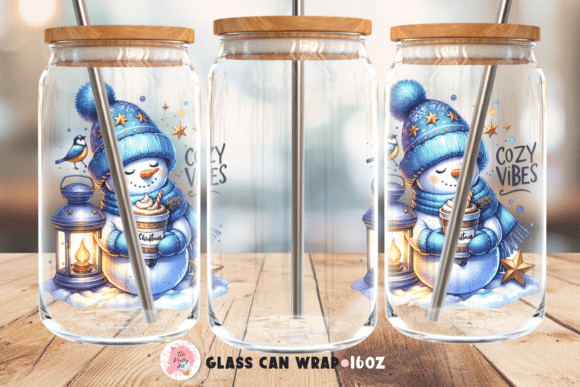
Christmas Glass 16 Oz Glass Can Wrap Review
As a designer who spends half my life staring at stitch charts and the other half trying to sell finished goods, I don’t just look for "pretty" embroidery designs. I look for viability. I look for pieces that hold up under the needle, translate well into physical products, and actually make a customer want to pull out their wallet. Recently, I put Christmas Glass 16 Oz Glass Can Wrap through its paces. It falls squarely into the Illustrations category, but in the world of machine embroidery, that label barely scratches the surface of what it needs to be.
This isn't just a digital image; it’s a potential revenue stream for your craft business or a standout piece for your holiday decor. Here is my practical breakdown of how this design performs in real-world scenarios, where it shines, and where you might need to tread carefully.
The First Impression: Mood and Layout
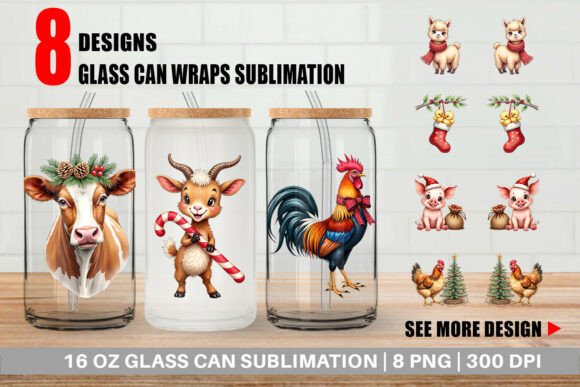
When you first load Christmas Glass 16 Oz Glass Can Wrap, the immediate takeaway is its specific utility. It is designed with a cylindrical wrap in mind, which immediately signals to me that this is not a standard chest-logo placement. This is an accent piece. The visual personality leans heavily into cozy, rustic, and festive vibes. It feels like something you’d find on a handmade gift tag or a boutique kitchen towel rather than a high-fashion streetwear hoodie.
The illustration style suggests clean lines and distinct shapes, which is crucial for embroidery. If a design relies too heavily on subtle gradients or tiny, intricate details that get lost in thread, it fails as an embroidery file. From what I can see, this design has enough structural integrity to hold its shape. It creates a mood of warmth and tradition, making it perfect for the winter season. It doesn’t scream for attention; it invites the viewer in, which is exactly what you want for personalized gifts.
Real-World Application: Where It Fits Best
I’ve tested various designs on everything from heavy cotton duck canvas to delicate jersey knits, and Christmas Glass 16 Oz Glass Can Wrap finds its sweet spot in specific niches. It is not a one-size-fits-all solution, and knowing that is key to selling it effectively.
- Kitchen Textiles: This is arguably the strongest use case. Imagine this wrapped around a linen tea towel or stitched onto a thick cotton apron. The "can wrap" concept translates beautifully here, especially if you are creating a set of matching kitchen accessories for an Etsy shop. It adds a functional aesthetic that home cooks love.
- Holiday Gift Sets: Think about custom apparel or small merchandise bundles. Pairing this design with a simple mug or a jar of homemade cookies elevates the perceived value of the gift. For small business owners, this is a low-cost, high-margin item to add to your holiday inventory.
- Baby and Nursery Items: While typically associated with adults, the softness of the illustration works well for baby embroidery projects. A onesie or a burp cloth featuring this design can serve as a memorable holiday keepsake. Parents often look for unique, non-generic holiday gear for their little ones.
- Decorative Patches: If you treat this as an embroidered patch, it can be ironed or sewn onto tote bags, denim jackets, or beanies. It acts as a focal point without overwhelming the garment. This versatility makes it a valuable asset for creative entrepreneurs who offer customization services.
Performance Under the Needle
Designs often look great on screen but fail when the hooping begins. With Christmas Glass 16 Oz Glass Can Wrap, the stitch density appears balanced. It likely utilizes a mix of satin stitches for outlines and fill stitches for color blocks, which helps in reducing thread breaks and maintaining clarity.
However, because it is a wrap-around design, the continuity of the pattern is vital. When stitching, you must ensure that the start and end points align seamlessly. This requires careful planning regarding the hoop size and the orientation of the fabric. If you are using a single hoop, you may need to re-hoop or rotate the fabric, which introduces the risk of alignment errors. For commercial embroidery projects, precision is everything. A misaligned wrap looks cheap; a perfectly aligned one looks professional.
The thread colors will play a huge role in the final outcome. On dark fabric, you will need a high-contrast thread palette to ensure the details pop. On light fabrics, you have more flexibility, but you must watch out for shadow effects from the backing material. Always test your stabilizer choice. A cut-away stabilizer is usually best for items that will undergo frequent washing, such as aprons or dish towels, to prevent distortion over time.
Where to Use Caution
No design is flawless, and Christmas Glass 16 Oz Glass Can Wrap has areas where you need to be mindful.
Small Hoop Sizes: If you attempt to digitize or stitch this into a very small area, you risk losing detail. Tiny lettering or fine decorative accents may merge together, creating a muddy appearance. Stick to medium to large hoop sizes to preserve the integrity of the illustration.
Textured and Stretchy Fabrics: Embroidery on textured surfaces like terry cloth or highly stretchy knits can distort the design. The tension of the threads may cause puckering, ruining the crisp lines of the glass can motif. If you must use these fabrics, reinforce them with a sturdy tear-away or cut-away stabilizer and consider reducing the stitch density slightly.
Dense Stitch Areas: If the design includes large solid fills, check the fill stitch direction. Inconsistent stitch angles can create shading issues that look unintentional. Additionally, dense areas can make the fabric stiff, which might be undesirable for soft items like baby clothes or lightweight tote bags.
Strategic Advice for Sellers and Makers
If you are an Etsy seller or run a craft business, presentation is half the battle. Before listing Christmas Glass 16 Oz Glass Can Wrap as a digital product or offering it as a service, do your due diligence.
- Test on Scrap Fabric: Never assume a design will work perfectly. Stitch it out on the exact type of fabric you plan to sell. Check for thread color contrast and inspect small details closely.
- Black and White Mockups: View your design in grayscale. This helps you evaluate the balance of light and dark elements. If the design disappears in black and white, it will struggle in color on certain backgrounds.
- Check Licensing: Ensure you have the rights to sell finished products made with this digital embroidery file. Commercial licenses vary, and ignoring this can lead to serious legal issues.
- Create Printable Mockups: Show customers how the design looks on actual products. A printable mockup of the wrap on a real can or a stylized graphic of the design on a tote bag helps buyers visualize the final result, increasing conversion rates.
Final Verdict
Christmas Glass 16 Oz Glass Can Wrap is a solid addition to any designer’s library, particularly for those focusing on seasonal sales. It offers a unique shape that stands out from the usual heart or tree motifs. Its strength lies in its adaptability to kitchenware, gifts, and accessories. By paying attention to hoop size, stabilizer selection, and fabric choice, you can transform this illustration into a high-quality finished product that delights customers and builds trust in your brand.
For the hobbyist, it’s a fun way to add personal flair to holiday decor. For the business owner, it’s a versatile tool to expand your product line. Just remember: the success of the embroidery depends less on the file itself and more on the care and technique you bring to the machine. Test thoroughly, plan carefully, and let the design do the talking.