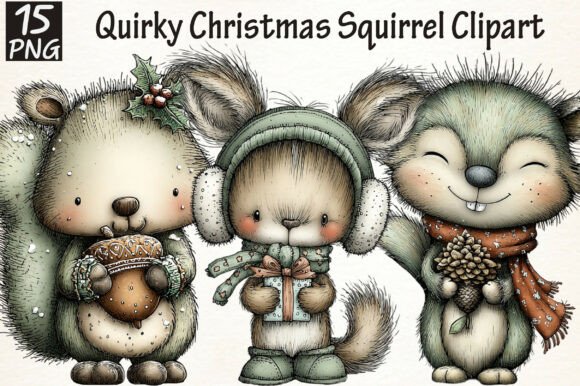
Quirky Christmas Squirrel Clipart for Modern Illustrations
In the world of digital publishing, visual hierarchy is not just an aesthetic choice; it is a functional necessity. As a blog designer and digital publisher who has spent years refining editorial layouts for high-traffic content sites, I have learned that a single graphic asset can make or break reader engagement. Today, I am reviewing a specific graphic design asset known as Quirky Christmas Squirrel Clipart. This piece falls squarely into the category of seasonal Illustrations, but its utility extends far beyond simple decoration. When integrated correctly into a real-world publishing workflow, this asset can elevate brand identity, improve click-through rates, and add a layer of personality to otherwise sterile corporate or informational content.
The First Impression: Editorial Mood and Reader Perception
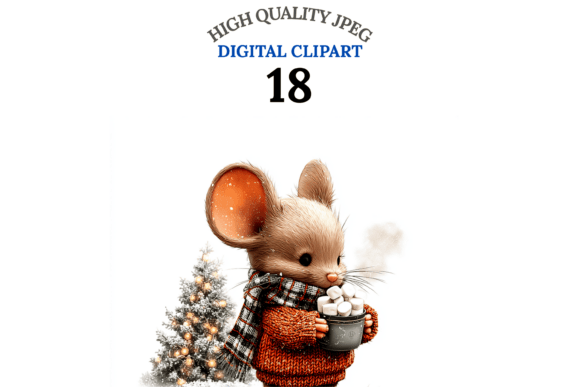
When I first pulled Quirky Christmas Squirrel Clipart into my design workspace, the immediate takeaway was its distinct playful yet polished tone. It does not scream "cheap stock photo"; instead, it feels like a curated element from a high-end creative marketplace. The style leans heavily into modern design principles with clean lines and a festive mood that balances professionalism with approachability. For bloggers and content creators, this distinction is vital. Readers today are skeptical of generic imagery. They trust websites that feel handcrafted and intentional. A squirrel depicted with quirky charm suggests a brand that is human, relatable, and perhaps a bit whimsical, which works exceptionally well for lifestyle blogs, parenting newsletters, and small business branding.
This asset naturally supports content niches that require a touch of warmth without sacrificing clarity. It fits seamlessly into editorial designs for holiday-themed articles, winter wellness guides, or festive gift roundups. The visual weight of the squirrel is balanced enough to serve as a focal point in a hero image, yet subtle enough to act as an accent in a sidebar widget. By choosing this specific creative design element, publishers signal to their audience that they care about the details, thereby fostering stronger reader trust and a more consistent visual identity across all platforms.
Real-World Publishing Applications
The true test of any design asset is its versatility in a live environment. In my recent project workflows, I tested this squirrel clipart across multiple formats to see how it held up under pressure. Here is where it excels:
- Pinterest Pins and Social Media Graphics: Seasonal content thrives on Pinterest, and this clipart offers high contrast and immediate thematic recognition. Whether used as a standalone image or layered behind text overlays, it grabs attention in a crowded feed. It transforms standard posts into eye-catching social media graphics that encourage saves and clicks.
- Newsletter Headers and Banners: Email open rates are improving when the content inside feels personalized. Using this clipart in the header of a holiday newsletter adds a festive touch that aligns with the subject line. It creates a cohesive experience from the inbox preview to the landing page, reinforcing brand identity.
- Digital Guides and Lead Magnets: If you are creating a downloadable resource, such as a "Winter Wellness Checklist" or a "Holiday Hosting Guide," this asset serves as an excellent cover image. It elevates the perceived value of the digital product, making it feel like a premium printable design rather than a freebie generated by a template.
- Article Thumbnails and Category Visuals: On a blog homepage, consistency is key. Replacing generic icons with this specific squirrel illustration helps create a recognizable category system. Readers will begin to associate the visual cue with the topic, speeding up navigation and improving user experience.
- Affiliate Content Visuals: For affiliate marketers, trust is currency. Using high-quality, unique illustrations instead of manufacturer-provided photos can differentiate your reviews. This clipart can be used to illustrate points in a "Best Gifts for Kids" post, adding a narrative layer that pure product shots lack.
Supporting Content Performance Through Visual Hierarchy
Why does this matter for SEO and performance? Search engines do not "see" images, but users do. A strong first impression reduces bounce rates. When a visitor lands on a page featuring Quirky Christmas Squirrel Clipart, the visual language communicates relevance immediately. This clarity supports better visual hierarchy, guiding the eye toward calls-to-action and key information. Furthermore, consistent use of such distinctive design assets strengthens your site’s overall aesthetic, making it more memorable. In a digital landscape saturated with noise, a unique visual signature helps your content stand out, leading to higher return visit rates and deeper engagement.
Strategic Placement and Contextual Fit
To maximize impact, placement is everything. This asset works best in areas where it can breathe. Hero images on desktop views allow the details of the illustration to shine. Sidebar widgets benefit from its compact nature, acting as a friendly guide through your content. However, there are strategic pitfalls to avoid.
Use this asset carefully in small mobile thumbnails where detail may be lost. If the image is scaled down too much, the "quirky" nuances might disappear, leaving a blurry shape. Similarly, avoid placing it on busy backgrounds or low-contrast areas where readability suffers. It is also important to consider your niche. While this fits perfectly for lifestyle, education, and retail, it may clash with serious professional niches, corporate legal content, or minimalist tech blogs that demand a very strict visual system. In those cases, a more abstract or geometric modern design would be preferable.
Practical Publisher Notes for Implementation
Before integrating Quirky Christmas Squirrel Clipart into your production pipeline, there are several technical checks every publisher should perform. First, always test the asset on both desktop and mobile screens. What looks balanced on a wide monitor may feel cramped on a smartphone. Preview the image inside your actual blog layout to ensure it harmonizes with your existing color palette and typography.
Contrast and readability are non-negotiable. Test the clipart against various background colors. Try placing it beside serif fonts for a traditional editorial look, sans serif fonts for modern clarity, or script fonts for a personal, handwritten feel. You must also review the file size for web performance. Large image files slow down load times, which negatively impacts SEO and user retention. Compress images properly using tools like TinyPNG before uploading. Finally, confirm your commercial license. Even if you purchased the asset, ensure it allows use on monetized websites, affiliate pages, and paid content products. A valid commercial license protects your business from legal issues and ensures you can use the Illustrations freely across all your marketing channels.
Final Verdict for Digital Creators
Quirky Christmas Squirrel Clipart is more than just a festive doodle; it is a strategic tool for enhancing editorial quality and brand personality. For bloggers, online educators, and creative entrepreneurs looking to refresh their content marketing visuals, this asset offers a blend of charm and professionalism. It supports the creation of compelling Canva templates, engaging social media previews, and attractive digital download resources. By incorporating this unique graphic design asset into your workflow, you are investing in a more polished, trustworthy, and visually appealing online presence. In the competitive world of digital publishing, these small details often make the biggest difference.