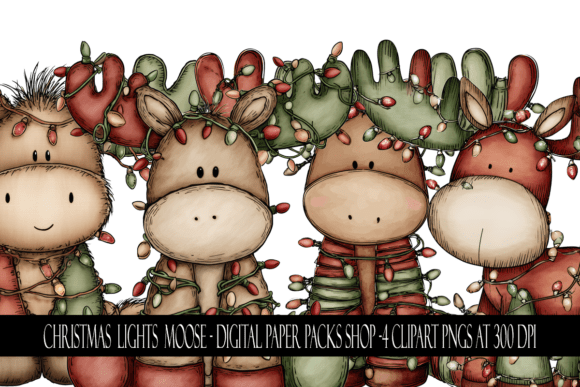
Christmas Lights Moose Clipart for Illustrations and Blog Graphics
When I sit down to design a new editorial layout or prepare a series of Pinterest pins for a content website, the first thing I look for is visual harmony. It is not just about finding an image that looks nice; it is about finding a graphic design asset that supports the narrative, enhances readability, and builds immediate trust with the reader. Recently, I evaluated the Christmas Lights Moose Clipart suite for potential integration into various publishing workflows, ranging from seasonal newsletter headers to downloadable digital guides. This review breaks down how this specific set of Illustrations performs in a real-world digital publishing environment.
The Editorial Mood and First Impressions
The moment you load these files into your design software, the mood is immediately established. The Christmas Lights Moose Clipart strikes a balance between whimsical charm and clean, modern aesthetics. For bloggers and digital publishers, this distinction is critical. A clipart set that feels too childish can undermine the authority of an educational blog, while one that is too rigid can fail to capture attention on social media platforms like Pinterest.
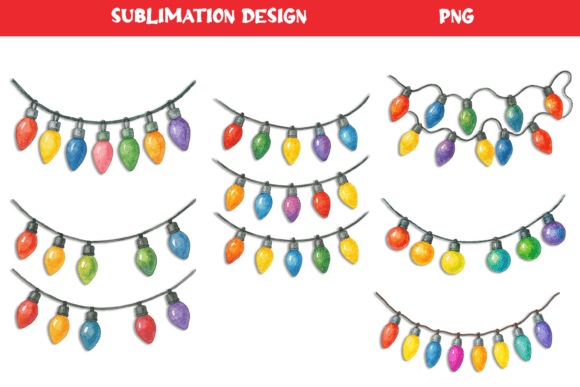
This particular collection leans into a lifestyle-focused, playful, yet polished aesthetic. The moose figures are rendered with enough detail to feel artistic but simplified enough to remain legible at smaller sizes. The inclusion of Christmas lights adds a festive accent without overwhelming the composition. This makes the asset highly versatile for seasonal content marketing. It creates a warm, inviting atmosphere that encourages readers to stay longer on the page. Whether you are running an affiliate blog focused on home decor, a family-oriented lifestyle site, or an online educator creating holiday-themed worksheets, this visual language aligns naturally with those niches. It feels modern, clean, and distinctly professional, avoiding the cluttered look that often plagues free clipart libraries.
Integrating the Asset into Real Publishing Workflows
In my experience as a publisher, versatility is the most valuable trait of any design asset. The Christmas Lights Moose Clipart excels because it can be adapted across multiple formats without losing its integrity. Here is how I see it fitting into a comprehensive content strategy:
- Blog Featured Images and Headers: Use the larger moose illustrations as focal points in article headers. They provide a strong visual anchor that draws the eye before the reader even scans the headline.
- Pinterest Pins and Social Media Graphics: The bright colors and recognizable silhouette make these images highly clickable. When paired with bold typography, they stand out in crowded feeds.
- Newsletter Banners: Seasonal newsletters often suffer from generic stock photos. Replacing them with custom blog graphics featuring these moose can increase open rates and engagement by adding a touch of personality.
- Digital Products and Lead Magnets: If you are creating a digital guide, eBook, or printable worksheet, this clipart serves as excellent cover art or internal section dividers. It elevates the perceived value of the digital download.
- Website Category Thumbnails: For blogs with seasonal categories (e.g., "Holiday Crafts" or "Winter Recipes"), using these illustrations helps users quickly identify the topic through visual hierarchy.
Furthermore, these assets are ideal for Canva templates. Many small business owners and creative entrepreneurs rely on template-based design tools for speed. Providing clients or followers with editable templates that feature these moose adds significant value to your brand identity offerings.
Impact on Content Performance and Brand Identity
Visual communication is directly tied to reader trust. When a website looks cohesive and professionally designed, visitors are more likely to believe the content is reliable. By consistently using the Christmas Lights Moose Clipart across your web design elements, you establish a recognizable brand identity. This consistency aids in category recognition, helping loyal readers navigate your site more intuitively.
Additionally, strong visuals improve click-through potential. In affiliate marketing, where the goal is to drive traffic to product pages, eye-catching graphics can significantly boost performance. A well-designed pin or ad creative using these illustrations captures attention faster than text-only links. This is especially true for content upgrades—free resources offered in exchange for email signups. A visually appealing lead magnet cover featuring these moose can convert browsers into subscribers more effectively than a plain text document.
Strategic Placement and Visual Hierarchy
To maximize the impact of these creative design elements, placement matters. These illustrations work best when given breathing room. They should be used in areas where they can serve as primary visual hooks rather than background noise.
- Hero Images: Place the largest, most detailed moose illustration in the hero section of landing pages or seasonal posts.
- Editorial Accents: Use smaller light-bulb clusters or moose silhouettes as decorative elements to break up long blocks of text.
- Social Media Previews: Ensure the main subject is centered so it remains visible when cropped for different platform dimensions.
However, there are contexts where caution is required. While these images are charming, they may not suit every niche. Avoid using them in serious professional niches such as corporate finance, legal advice, or medical publishing, where a minimal and strictly formal visual system is expected. Additionally, be mindful of small mobile thumbnails. If the details become too muddy at tiny sizes, the visual impact is lost.
Practical Publisher Notes for Implementation
Before integrating the Christmas Lights Moose Clipart into your live site, I recommend following these technical checks to ensure optimal performance and compliance:
Test Across Devices: Always preview your designs on both desktop and mobile screens. Check how the moose looks as a thumbnail in search results and how it renders within a responsive blog layout. Mobile users should still clearly recognize the subject matter.
Typography Pairing: Experiment with font pairings to see what complements the playful yet clean style of the illustrations. Try placing the graphics beside serif fonts for a traditional editorial look, or sans serif fonts for a modern, clean aesthetic. You might also test script fonts or handwritten fonts for headings to enhance the festive mood, ensuring the text remains readable against the graphic.
Contrast and Readability: Ensure there is sufficient contrast between the clipart and the background. On low-contrast backgrounds, the details of the Christmas lights may get lost. Test the images in black and white to check their structural clarity independent of color.
Web Performance: Review the file size of each image. Large PNGs or JPEGs can slow down your site’s load time, which negatively impacts SEO and user experience. Compress images properly using tools like TinyPNG or ImageOptim before uploading them to your media library.
Licensing Compliance: Finally, confirm your commercial license status. Even if you have purchased the asset, verify whether it allows use on monetized websites, affiliate pages, and paid content products. Using commercial design assets without proper licensing can lead to legal issues. Ensure you have the right to distribute these Illustrations as part of your digital product offerings or embedded in your public-facing content.
In summary, the Christmas Lights Moose Clipart is a robust addition to any publisher’s toolkit. It offers the perfect blend of festive charm and professional polish, supporting everything from daily blog posts to high-value digital guides. By applying it strategically and maintaining high editorial standards, you can enhance your site’s visual appeal, strengthen your brand identity, and ultimately create a more engaging experience for your audience.