Christmas Tree SVG PNG: A Designer’s Review for Illustrations
When I receive a brief for a seasonal client project—whether it is a boutique candle brand launching their holiday collection or a local bakery needing festive packaging—I am always cautious about the assets I pull into my workflow. Too often, designers rely on generic clipart that feels dated or lacks the structural integrity needed for professional scaling. That is why I took a close look at the Christmas Tree SVG PNG before recommending it for a recent small business branding package. This review breaks down exactly how this graphic design asset performs in real-world applications, who it suits best, and what technical checks you must run before adding it to your commercial projects.
First Impressions and Visual Mood
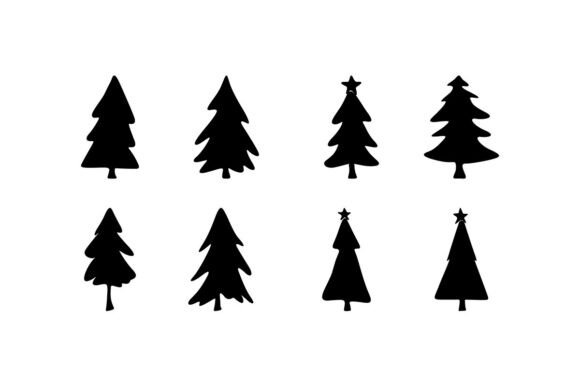
The moment you open the file, the quality of the illustration is apparent. Unlike many low-resolution PNG designs that pixelate when scaled up, this vector-based approach ensures crisp edges regardless of the output size. The visual mood strikes a balance between rustic charm and modern cleanliness. It avoids the overly cluttered, chaotic style of traditional holiday clipart, opting instead for a streamlined silhouette that feels sophisticated. For a designer working on brand identity or packaging design, this restraint is crucial. It allows the tree to serve as a focal point without overwhelming the typography or other brand elements. The style naturally fits projects aiming for a "handmade business" aesthetic, such as Etsy product launches or artisanal gift boxes, where authenticity and warmth are key selling points.
Real-World Application in Client Projects
In my experience, versatility is the most valuable trait of any design asset. The Christmas Tree SVG PNG proves its worth across multiple mediums. For logo design and sub-brands, the clean lines allow for easy integration with custom lettering. I recently used a similar vector structure for a coffee shop’s holiday menu, where the tree acted as a subtle background pattern rather than a dominant image, creating a cohesive marketing visuals strategy.
For physical products, the precision of the SVG format is indispensable. When preparing files for print-on-demand services like t-shirt design or mug printing, the clean curves prevent jagged artifacts during the cutting or printing process. It also excels in Cricut projects and vinyl decal work, where the machine needs clear, unambiguous paths to cut through cardstock or heat-transfer vinyl. If you are creating sticker design sheets, the transparent background capability of the accompanying PNG version ensures no awkward white boxes appear around the tree shape.
Digital applications are equally strong. In social media graphics for Instagram posts or Pinterest pins, the high contrast and clear shape ensure the image remains legible even at thumbnail sizes. For web design headers or blog visuals, the lightweight file size contributes to faster page load times compared to heavy raster images, which is a critical factor for user experience and SEO.
Ideal Use Cases for Maximum Impact
- Packaging Details: Use the tree as a foil stamp effect or embossed detail on luxury gift boxes.
- Hero Graphics: Place it prominently on website banners for holiday sales campaigns.
- Themed Collections: Integrate it into a series of matching icons for a design bundle.
- Editorial Design: Use as a decorative accent in magazine layouts or digital catalogs.
Where to Exercise Caution
No single asset is perfect for every scenario. While the Christmas Tree SVG PNG is robust, there are contexts where it may not be the optimal choice. In highly minimalist branding, where whitespace is the primary design driver, a detailed tree might introduce too much visual noise. Similarly, in crowded layouts with dense typography, the tree can compete for attention rather than supporting the message.
Designers should be wary of using this asset in professional corporate materials that require a strictly formal tone. The inherent warmth of the illustration may clash with cold, corporate color palettes. Additionally, when placing the asset on complex backgrounds or low-contrast designs, you must ensure sufficient separation. If the tree is placed against a similarly colored backdrop, the visual hierarchy collapses, making the element disappear. Always test the asset in black and white first; if the shape does not read clearly without color, it will struggle in full-color applications.
Technical Checks for Professional Results
Before delivering final files to a client, I always run a specific checklist. For the Christmas Tree SVG PNG, start by inspecting the SVG code if you have access to it. Ensure there are no unnecessary anchor points that could cause issues in cutting software. Check the PNG transparency layer thoroughly; zoom in to 400% to ensure there are no stray pixels or halos around the edges, which are common in poorly exported digital product files.
Typography pairing is another critical step. This illustration pairs exceptionally well with serif fonts for a classic look or sans serif fonts for a modern twist. However, it may clash with overly ornate script fonts unless carefully balanced. Test the combination in both light and dark modes to verify readability. If you are using this for sublimation design, print a test sample on the actual fabric to check how the colors translate. Digital screens often display colors more vibrantly than printed materials.
Finally, confirm the commercial license. Many marketplaces offer different tiers of use. Ensure you have the rights to use the asset in end-products that you sell, such as Etsy products or small business branding kits. Misunderstanding licensing terms can lead to costly legal issues later. By treating this creative design element with the same rigor as a custom-drawn illustration, you ensure that your final deliverable feels polished, intentional, and professionally crafted.