Watercolor Christmas Tree PNG: A Brand Designer’s Review of Seasonal Illustrations
As a brand designer and content marketer, I spend most of my day dissecting visual assets to determine if they truly elevate a campaign or simply add noise. When evaluating any graphic design asset, especially one as seasonal and emotionally charged as holiday imagery, the stakes are high. Audiences have become increasingly sensitive to visual quality; cluttered, low-resolution, or generic graphics can undermine even the strongest marketing copy. This is where the distinction between a simple clipart and a professional illustration becomes critical for maintaining brand identity.
In this review, I am putting the Watercolor Christmas Tree PNG through its paces. We will look at how this specific digital product fits into real-world workflows for small business owners, bloggers, and creative entrepreneurs. The goal is to determine whether this asset supports professional branding and enhances audience trust, or if it falls short in a competitive market.
The First Impression: Mood and Emotional Tone
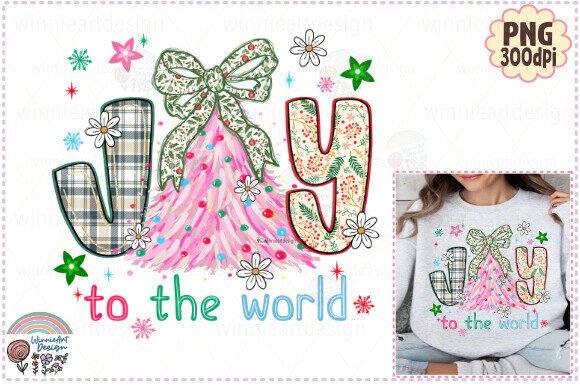
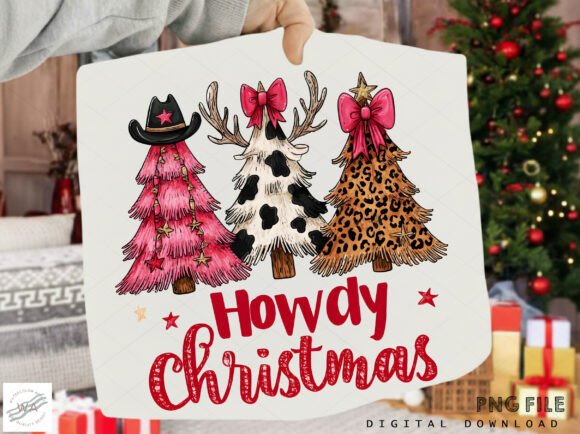
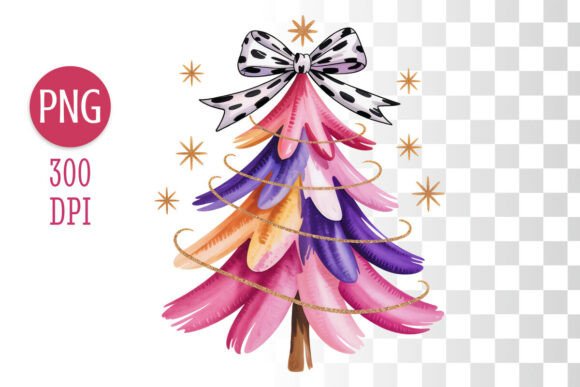
When you first load the Watercolor Christmas Tree PNG, the immediate takeaway is its organic texture. Unlike vector shapes that rely on sharp edges and rigid geometry, watercolor brings a sense of warmth, imperfection, and human touch. In the context of content marketing, this is invaluable. It signals authenticity. For brands selling handmade products, lifestyle goods, or cozy home decor, this aesthetic aligns perfectly with the desire for connection rather than cold commercialism.
The mood created here is festive but refined. It avoids the tacky, neon-heavy tropes often associated with cheap holiday promotions. Instead, it offers a sophisticated palette that suggests premium visuals. This makes it suitable for a wide range of applications, from editorial design to social media graphics. However, designers must be mindful that "watercolor" implies a certain level of softness. If your brand voice is bold, aggressive, or strictly corporate, this asset might feel too gentle. But for small business branding focused on community, comfort, and creativity, it strikes an excellent balance.
Real-World Application: A Holiday Launch Scenario
To understand the practical value of this design asset, let’s frame it within a realistic marketing project. Imagine a boutique candle company launching a limited-edition "Winter Pine" scent line. They need a cohesive visual kit for their upcoming campaign. They require images for Instagram posts, Pinterest pins, email banners, and perhaps a digital flyer for their website header.
This is where the Watercolor Christmas Tree PNG shines. Because it is a PNG design, likely featuring a transparent background, it allows for seamless integration into various layouts without clashing with existing colors. A marketer can place the tree behind elegant serif typography for a product label, or use it as a decorative accent in a lead magnet. It serves as a unifying element across all marketing visuals, ensuring that every touchpoint feels part of the same story.
For a blogger creating a "Holiday Gift Guide," this illustration can anchor the layout. It provides a focal point that draws the eye without overwhelming the text. In terms of visual hierarchy, the organic shape of the tree guides the viewer’s gaze naturally, making it easier for the audience to process the information presented alongside it. This contributes directly to better engagement rates, as users are less likely to scroll past a graphic that feels harmonious rather than jarring.
Where This Asset Fits Your Workflow
The versatility of a high-quality illustration like this cannot be overstated. Here is how it can support your specific marketing goals:
- Social Media Graphics: Use it for Instagram stories or Facebook ads. Its soft edges work well against pastel or dark moody backgrounds, helping your ad stand out in a crowded feed.
- Packaging Design: If you are printing stickers or tags for your products, this PNG can be scaled (provided the resolution is sufficient) to add a festive touch to your packaging design. It elevates the perceived value of the item inside.
- Email Banners: Include it in your holiday newsletter headers to create an emotional connection before the reader even opens the main content. It sets the tone for the offer below.
- Pinterest Pins: Pinterest is a visual search engine. Pins with artistic, hand-painted elements often perform better because they look like native content rather than advertisements. This SVG design alternative (if converted) or high-res PNG is perfect for this.
- Canva Templates: For creators selling templates, including this asset adds significant value. It allows end-users to easily customize their own designs without needing advanced Photoshop skills.
By integrating this asset into these areas, you achieve stronger recognition and a more memorable campaign. Consistency is key in modern design; when your social media, packaging, and web presence share the same visual language, you build authority.
Critical Considerations and Limitations
No single asset is a silver bullet. As a designer, I always advise clients to know where not to use a tool. The Watercolor Christmas Tree PNG has specific limitations that you must respect to maintain a professional appearance.
First, avoid using this in formal corporate branding contexts. If you are a law firm or a financial institution, the whimsical nature of watercolor may undermine the seriousness of your message. Similarly, do not use it in dense information layouts. Watercolor textures can become muddy if overlaid with too much text or competing graphical elements. Clarity is paramount in web design and digital ads.
Another critical check is scale. Always preview your design on mobile screens. Fine details in watercolor paintings can disappear on small devices, leaving a blurry or indistinct blob. Test readability in small sizes. If the tree loses its character when shrunk down to a favicon or a small icon, it may not be the right choice for all your needs.
Furthermore, consider contrast. Light watercolor greens and reds may vanish against white backgrounds. Ensure you have a plan for placement—either on darker backgrounds or with a subtle drop shadow—to ensure visibility. Also, beware of overly minimal brands; sometimes, a complex texture can disrupt a ultra-clean aesthetic.
Practical Brand Designer Notes for Implementation
To get the most out of this creative design, follow these technical and strategic steps:
- Test with Your Palette: Place the PNG next to your brand colors. Does it clash? Watercolors often have muted tones that pair beautifully with earthy palettes but might fight with neon brights. Adjust the hue or saturation in your editing software if needed.
- Check Black and White: Convert the image to grayscale to check its value structure. If it lacks contrast in black and white, it may lack depth in color. This ensures it remains impactful even in print-only scenarios.
- Font Pairing: Experiment with typography. This illustration pairs exceptionally well with serif fonts for a classic look, or script fonts for a personal, handwritten feel. Avoid heavy display fonts that compete with the organic shapes of the tree.
- Mockup Reality: Never design in a vacuum. Place the asset inside real campaign mockups—a phone screen, a coffee cup, a business card. This helps you assess spacing, balance, and overall proportion.
- Commercial Licensing: Before using this in any paid campaign, client work, or business branding, confirm the commercial license. Some creative marketplace items are for personal use only. Protect your business by ensuring you have the right to sell products featuring this design bundle component.
In conclusion, the Watercolor Christmas Tree PNG is a strong addition to any content creator’s toolkit. It offers the emotional resonance and visual quality needed to stand out during the busy holiday season. By understanding its strengths in brand identity and respecting its limitations in usage, you can leverage this illustration to create campaigns that are not only beautiful but effective. It transforms a standard holiday promotion into a branded experience, fostering deeper connections with your audience.