LED Light Christmas Scenes: A Review for Editorial Illustrations
As a digital publisher and blog designer who has spent years curating visual assets for high-traffic content sites, I approach every new graphic design asset with a specific set of criteria. It is not enough for an image to simply look "pretty." It must function within a complex ecosystem of web design, content marketing, and user experience. Recently, I evaluated the LED Light Christmas Scenes collection from a major creative marketplace to determine its viability for real-world publishing workflows. This review breaks down how these illustrations perform in actual editorial contexts, focusing on their ability to enhance reader trust, improve click-through rates, and support a cohesive brand identity.
The First Impression: Mood and Editorial Fit
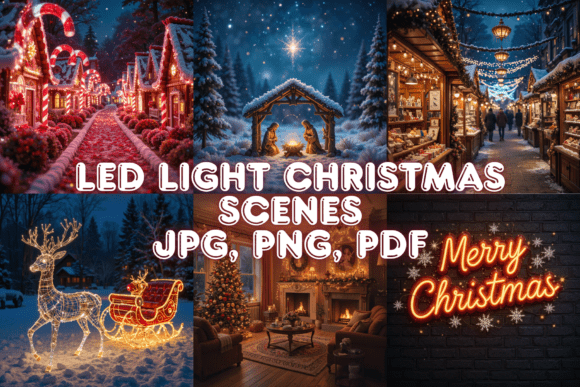
When you first load the LED Light Christmas Scenes pack, the immediate takeaway is its distinct atmospheric quality. Unlike traditional clip art that often feels flat or overly cartoonish, these illustrations leverage the glow and texture of LED lighting to create depth. For a blogger or online educator, this translates to a sophisticated, modern aesthetic. The mood is warm but controlled, making it ideal for niches that require a balance of festive cheer and professional polish.
This style naturally supports lifestyle-focused, feminine, or artistic content pillars. If your website serves small business owners, creative entrepreneurs, or digital marketers looking to inject seasonal warmth without sacrificing authority, these visuals hit the right note. They feel less like decorative clutter and more like intentional editorial design elements. The clean lines and luminous effects suggest a modern design sensibility that aligns well with current trends in small business branding. It avoids the chaotic energy of busy holiday patterns, offering instead a serene, focused visual anchor that allows your text and value propositions to take center stage.
Real-World Publishing Applications
In my workflow, versatility is key. A single asset needs to perform across multiple touchpoints. Here is how LED Light Christmas Scenes integrates into a typical content publishing strategy:
- Blog Featured Images and Headers: These illustrations provide excellent negative space or compositional balance for overlaying headlines. They work beautifully as website header backgrounds or top-of-article banners, setting a seasonal tone immediately upon landing.
- Pinterest Graphics and Social Media Previews: On visually driven platforms like Pinterest, the glowing effect of the LEDs creates natural contrast against white or dark backgrounds. As a Pinterest pin, they stand out in crowded feeds, potentially boosting organic reach and driving traffic back to your affiliate content.
- Digital Guides and Lead Magnets: For those creating downloadable resources, such as a "Holiday Marketing Checklist" or a seasonal eBook cover, these illustrations add perceived value. They transform a simple PDF into a polished digital product that users are eager to download and share.
- Newsletter Banners: Email open rates can suffer during the holidays due to inbox saturation. Using these scenes in your newsletter header can differentiate your message, signaling that your content is curated and designed with care.
- Canva Templates and Printables: If you offer Canva templates or printable design files to your audience, these vector-friendly illustrations serve as excellent base layers. They allow your subscribers to create their own branded holiday content, extending your brand’s reach through user-generated distribution.
Impact on Content Performance and Trust
Visual consistency is a silent driver of reader trust. When a visitor lands on your site, their brain processes visual cues before reading a single word. High-quality design assets signal professionalism. By using LED Light Christmas Scenes consistently across your social media graphics, blog thumbnails, and lead magnet covers, you establish a recognizable brand identity.
This consistency improves visual hierarchy. The eye is drawn to the light sources in the illustrations, which can be strategically placed to guide readers toward calls-to-action (CTAs). Furthermore, a polished visual presentation reduces bounce rates. In the competitive landscape of affiliate marketing and niche blogging, a sloppy or mismatched aesthetic can subconsciously signal low effort. Conversely, these illustrations help create a professional-looking content page that encourages longer dwell times and deeper engagement with your monetized content.
Where the Design Asset Works Best
To maximize ROI on these visuals, place them where they have the most impact:
- Hero Images: Use full-width versions to create an immersive entry point.
- Article Thumbnails: Select cropped sections that highlight the LED glow for grid views.
- Editorial Accents: Use smaller icons or corner elements to break up long-form text.
- Category Visuals: Assign specific color variations of the LED scenes to different content categories (e.g., tech, home decor, finance) to aid navigation.
Where to Use with Caution
No asset is universal. There are specific scenarios where LED Light Christmas Scenes may not be the optimal choice:
- Small Mobile Thumbnails: At very small sizes, intricate LED details may blur or become indistinct. Always test readability at 150x150 pixels or smaller.
- Text-Heavy Blog Images: If your graphic requires significant overlay text, ensure the background does not compete with the typography. The glow can sometimes reduce legibility if the font weight is too light.
- Serious Professional Niches: For corporate legal blogs or strict financial advisory sites, the festive nature might clash with a tone of extreme seriousness. In such cases, consider desaturating the images or using them sparingly.
- Busy Layouts: Avoid placing these illustrations over other busy patterns or dense text blocks. They need breathing room to function effectively.
Practical Publisher Notes for Implementation
Before integrating these commercial design assets into your live site, follow this technical checklist to ensure optimal performance and legal compliance:
- Cross-Device Testing: Preview the images on desktop, tablet, and mobile screens. Check how they scale and whether the focal point remains visible on narrow viewports.
- Contrast and Readability: Test the illustrations against your brand colors. Ensure sufficient contrast between the text overlay and the LED glow. A quick trick is to convert the image to black and white; if the composition still holds up, the contrast is likely strong enough.
- Typography Pairing: Experiment with pairing the illustrations with different font styles. They tend to pair well with clean sans serif font choices for a modern look, or elegant serif font options for a classic editorial feel. Avoid overly ornate script font or handwritten font styles unless you are aiming for a very specific craft aesthetic.
- Web Performance: Large file sizes can slow down your site, hurting SEO. Compress images properly using tools like TinyPNG or ImageOptim. Confirm that the resolution is appropriate for web use (typically 72 DPI) rather than print (300 DPI), unless you are specifically selling print products.
- Licensing Verification: Always confirm the commercial license terms. While most marketplaces allow use on monetized websites and affiliate pages, some restrict use in resale items or unlimited print runs. Ensure you are compliant before launching paid campaigns.
Ultimately, LED Light Christmas Scenes offers a versatile, high-quality solution for publishers seeking to elevate their seasonal content. By treating these illustrations as strategic components of your visual communication strategy rather than mere decoration, you can significantly enhance the perceived value of your digital products and content marketing efforts.